
Last updated October 17, 2026
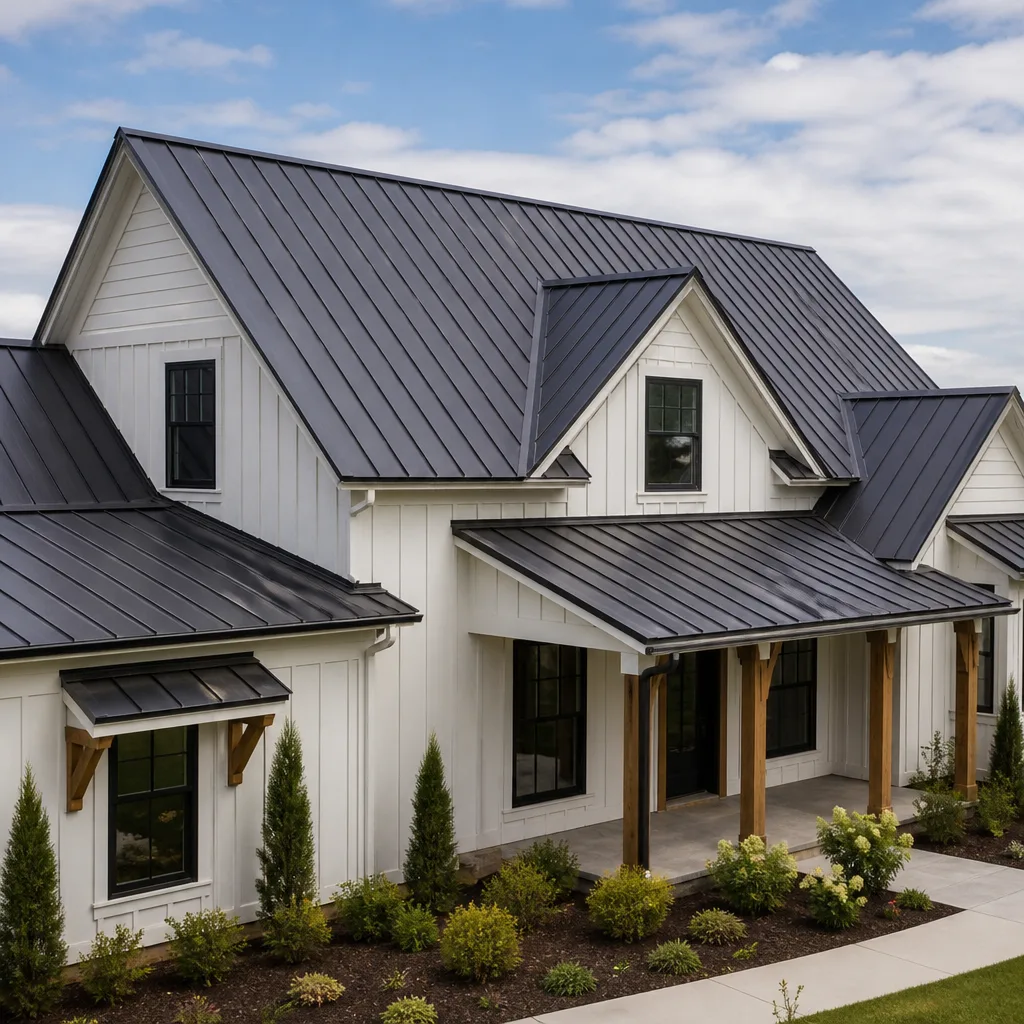 Metal roofing
 Architectural shingles
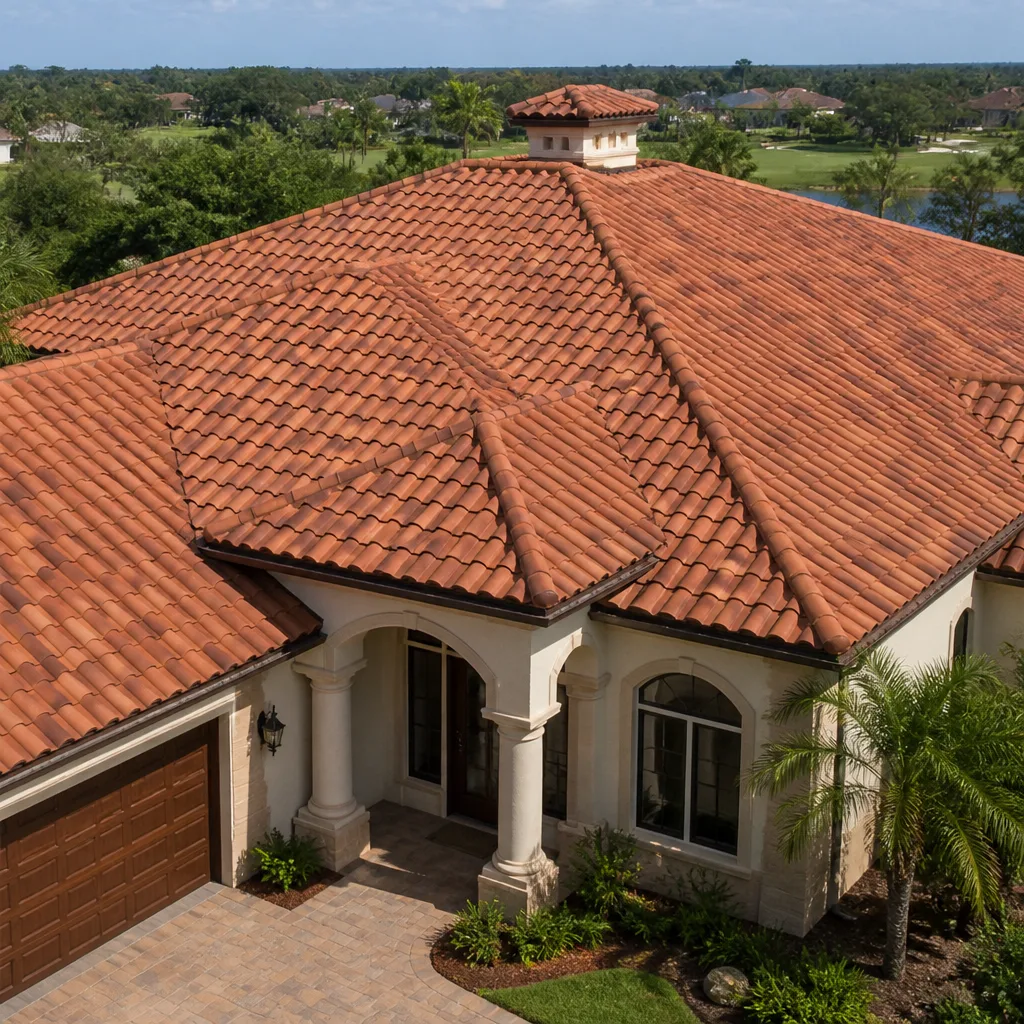 Tile roofing
 GAF
GAF Owens Corning
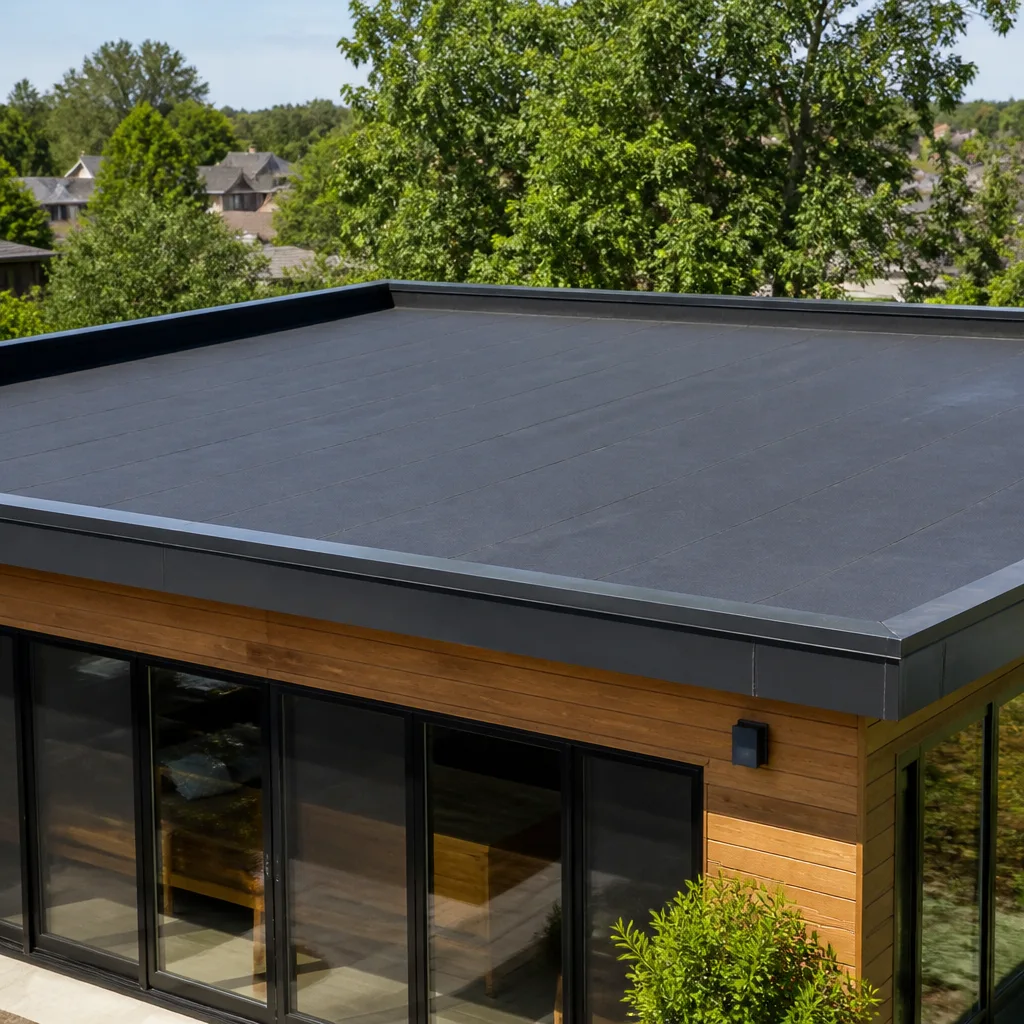 Flat & low-slope
Free roof inspection with deck photos before we talk money - GAF and Owens Corning certified installation
DIY vs Professional Roofing: The Riverside Homeowner’s Decision Guide
Here’s a fact most Riverside homeowners don’t learn until it’s too late: California requires a permit for most re-roofing work, and that requirement doesn’t disappear when you pick up the hammer yourself. A homeowner who re-roofs without a permit carries the same retroactive compliance exposure as someone who hired an unlicensed contractor, minus the insurance. This guide walks through the real decision points between DIY and professional roofing in Riverside’s specific climate and code environment, with honest dollar figures and the liability questions more guides & resources often skip.
Styles & brands we work with
Quick Answer
DIY roofing is genuinely reasonable for small, low-risk repairs in Riverside like replacing a single broken concrete tile, resealing a pipe boot, or clearing a valley, provided you own basic tools and understand when to stay off the roof entirely. Professional roofing is the only responsible choice for re-roofing, decking replacement, flashing work, or any repair that touches the waterproof barrier, because those jobs carry permit requirements, insurance consequences, and fall risks that no homeowner should carry alone. The decision isn’t about skill it’s about liability, permits, and what Riverside’s summer temperatures do to a roof surface by 10 a.m.
Table of Contents
- The Real Question: Not Skill, But Liability
- Where DIY Genuinely Makes Sense in Riverside
- Where Professional Work Is the Only Responsible Choice
- Riverside’s Heat Reality: What 10 a.m. in July Actually Means
- The Insurance Gap: What Your Policy Does and Doesn’t Cover
- Real Cost Comparison: Replacing 10 Broken Concrete Tiles
- Permits and Inspections: Filing as an Owner-Builder in California
- Common Mistakes to Avoid
- When to Call a Professional
- Frequently Asked Questions
- The Bottom Line
The Real Question: Not Skill, But Liability
Most DIY versus professional roofing articles frame the debate as a question of competence. Can you swing a hammer? Can you read a shingle course line? Can you apply sealant without making a mess? That framing misses the point entirely.
The actual question a Riverside homeowner should ask is this: if something goes wrong, who carries the cost?
When a professional roofer works on your home, several layers of protection exist. The company carries general liability insurance for property damage. Workers’ compensation covers injuries to crew members. The contractor holds a California roofing license, which means the state has verified a baseline of competency and required ongoing continuing education. The work is backed by contract, and in our case, by a written guarantee: the 365-Day Done Right Promise, which says in writing that if a repair or installation fails within one year, we return at no charge.
When a homeowner performs the same work, none of those protections exist. If you fall, your health insurance pays what it pays, minus deductibles and out-of-pocket maximums. If your patch job fails and water gets into the decking, your homeowners policy may or may not cover the resulting damage, depending on how the adjuster reads the cause. And if the work required a permit and you didn’t pull one, the insurance company has a documented reason to deny the claim.
That’s the real decision tree. Skill matters, but liability is the factor that follows you for years.
Riverside’s housing stock tilts toward concrete tile and composition shingle roofs built through the 1980s, 1990s, and early 2000s. Many of those homes are now in their second or third decade of roof life. That means homeowners across neighborhoods like Canyon Crest, Orangecrest, Wood Streets, and Mission Grove are making repair decisions on aging systems, not pristine ones. The condition of the roof underneath the surface matters as much as the surface itself, and that’s a factor only a professional inspection can reveal. If you haven’t had a Roof Inspection in Riverside on file, you don’t actually know what you’d be repairing over.
Where DIY Genuinely Makes Sense in Riverside
We’re not going to tell you that everything requires a professional. That’s not true, and it doesn’t serve you. There are specific tasks where a capable Riverside homeowner with the right tools and a healthy respect for heights can do the work well, save money, and not create new problems.
Here’s the honest list:
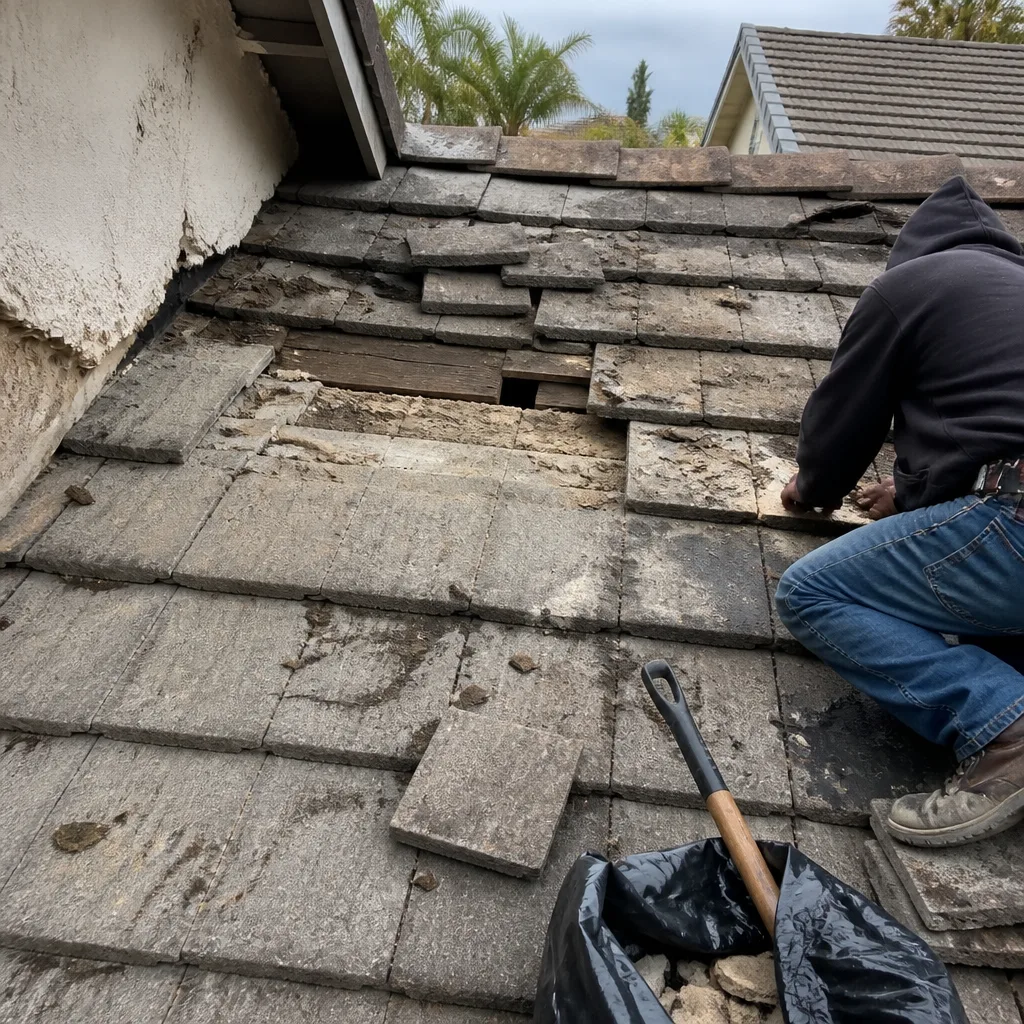
- Replacing a single broken concrete tile. If you have the matching tile (or can source it from a local supplier who stocks discontinued Riverside-era profiles), replacing one cracked tile is a 20-minute job. The tile lifts off, the new one slides into place, and no sealant is required on a standard S-tile or flat profile. The risk is walking on adjacent tiles and cracking them, so you need to distribute weight correctly.
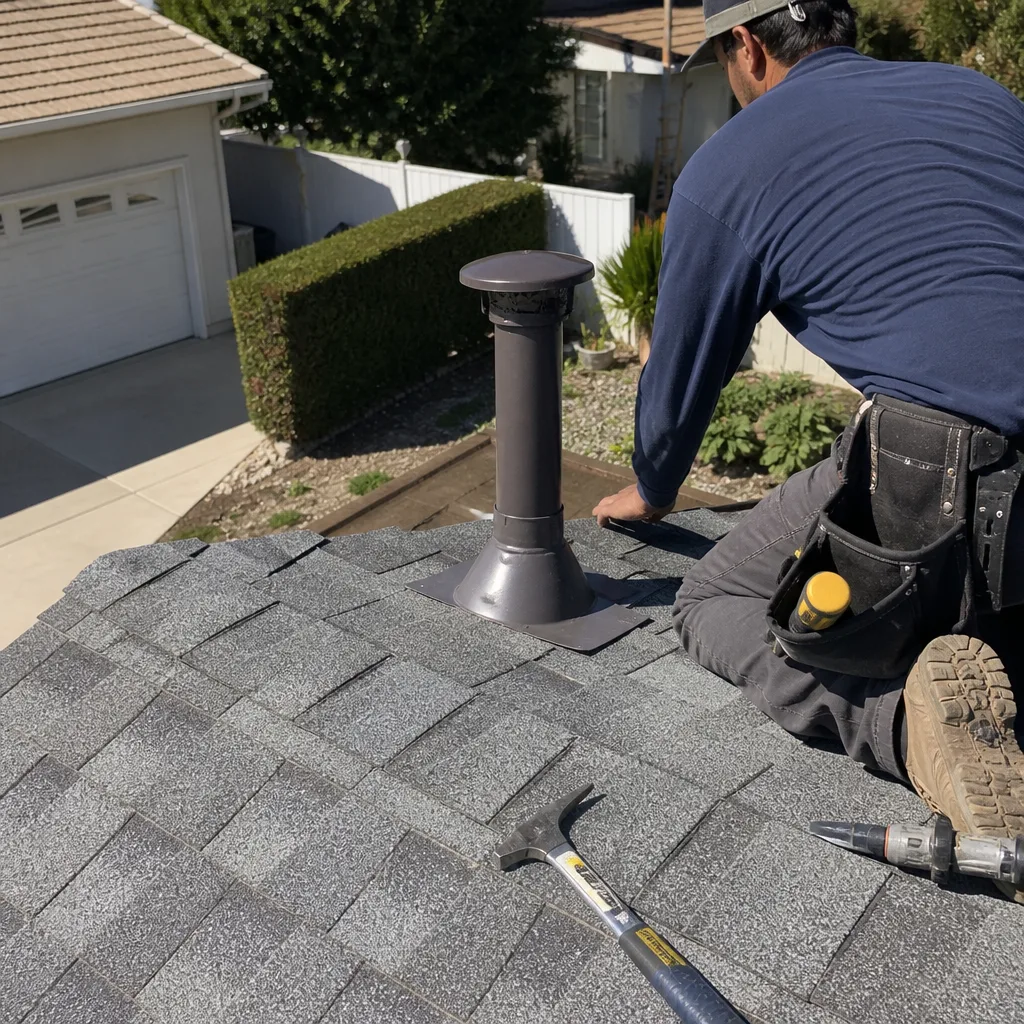
- Resealing a pipe boot. The rubber collar around plumbing vent pipes dries out and cracks in Riverside’s heat. A new pipe boot costs $8 to $15. Replacing one means sliding the old collar off, cleaning the pipe, and sliding the new one on with a bead of sealant. This is about as low-risk as roof work gets, provided you can reach the pipe safely.
- Clearing a valley of debris. Valleys between roof planes collect leaves, twigs, and granule buildup. In Riverside’s Santa Ana wind season, that debris accumulates fast and can dam water. Clearing it with a broom or gloved hand is straightforward and safe if you stay on the lower plane and don’t climb above the valley.
- Cleaning gutters from a sturdy ladder. Gutters aren’t roof work, but they’re adjacent, and a homeowner who keeps their gutters clear prevents a lot of roof edge damage.
- Inspecting from the ground with binoculars. You can spot displaced tiles, lifted ridge caps, and missing shingle tabs from the ground without ever setting foot on the ladder. This is genuinely useful and entirely safe.
The common thread here: these are surface-level tasks that don’t touch the waterproof barrier, don’t expose decking, and don’t require a permit. If you make a mistake, the downside is a redo or a small leak you’ll catch quickly. That’s acceptable risk for a homeowner who wants to save a few hundred dollars and learn their house.
What we’d add from experience in Riverside: check the roof pitch before you decide. The wide ranch-style homes of Riverside’s La Sierra and Arlington areas often have low-pitch roofs that are easier to walk. But the two-story homes in Canyon Crest and the hillside properties in Alessandro Heights have steeper pitches where a fall is more likely. If you can’t stand comfortably, it’s not a DIY job no matter how simple the repair looks.
Where Professional Work Is the Only Responsible Choice
Some roof tasks are not on the table for DIY, and we’ll be direct about why.
Full or partial re-roofing
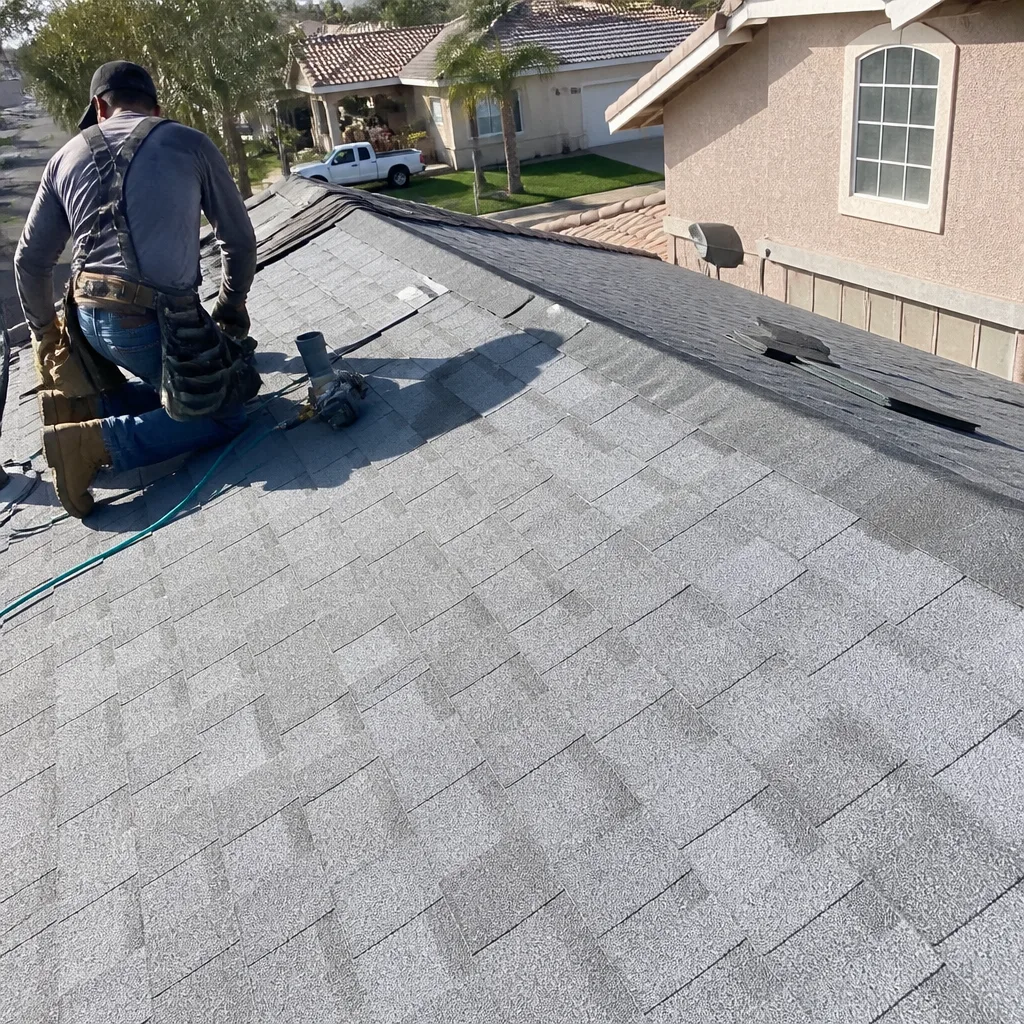
A re-roof is a tear-off of the existing surface, inspection and often replacement of underlayment, and installation of the new roofing system. In California, this requires a permit, which means the work must pass an inspection. Beyond the legal requirement, the practical scope is enormous: a typical Riverside home re-roof takes a professional crew working under The Garrison Standard three to five days, and that’s with a team, not one person on evenings and weekends. A homeowner attempting this alone on a 1,800-square-foot roof is looking at weeks of exposure risk, a roof that’s open to weather during the project, and a finished product that carries no warranty because no manufacturer honors a warranty on a self-installed roof. For a step-by-step look at the professional approach, see our guide on How to Hire a Roofing Contractor in Riverside: A Step-by-Step Guide.
Decking repair or replacement
Decking is the plywood or OSB layer under your roofing material. When it rots or sags, the repair means pulling up the surface material, cutting out the damaged section, and fastening new decking to the rafter system. This is structural work. It touches the load path of your roof. Done incorrectly, you compromise the roof’s ability to carry its own weight plus wind load. Done correctly, it should be inspected. We see decking damage regularly in Riverside homes where pipe boot failures or valley dams let water sit for years before anyone noticed.
Flashing replacement around chimneys, skylights, and wall junctions
Flashing is the metal or membrane that redirects water at every transition point on the roof: where the roof meets the chimney, where a skylight sits, where a wall rises above a lower roof plane. These are the highest-failure areas on any roof, and the repairs require careful measurement, proper lapping order (lower flashing under, upper flashing over), and sealing that will hold through Riverside’s summer expansion and winter contraction cycles. A botched flashing job leaks, and the leak usually starts slowly, travels, and shows up far from the actual failure point. By the time you see the water stain on the ceiling, the damage underneath is already done.
Anything involving the underlayment or waterproof barrier
Underlayment is the water-shedding layer between the decking and the surface material. Once it’s compromised, replacing it means removing whatever surface material covers it. This is the line most homeowners shouldn’t cross, because you’re now one error away from a leak that travels through your insulation, your drywall, and your framing. Our Roof Repair in Riverside work frequently involves cases where a homeowner attempted a surface patch over a failed underlayment section, and the leak continued underneath until the ceiling opened up.
If you’re considering a larger repair and want an honest assessment of scope before you commit, the right move is a professional inspection with a written finding, ideally guided by a Roofing Company Maintenance Checklist for Riverside Homeowners. That’s what we provide under The Garrison Standard: a written price before any work starts, with the scope defined on paper so you know exactly what you’re deciding on.
Riverside’s Heat Reality: What 10 a.m. in July Actually Means
Let’s talk about something most DIY articles never mention: surface temperature.
Riverside’s July and August daytime highs routinely hit the high 90s, with stretches over 100. A concrete tile roof in direct sun reaches 140 to 160 degrees by mid-morning. A dark composition shingle roof runs hotter: 150 to 170 degrees. At those temperatures, roofing materials behave differently. Asphalt shingles soften and tear more easily. Concrete tiles hold heat so intensely that touching one with a bare hand causes a burn in seconds. Sealants won’t cure properly when applied to a surface above 110 degrees; they skin over on top while the underneath remains wet, and the bond fails within months.
Now add the human factor. A non-professional working on a roof at 10 a.m. in July is carrying tools, kneeling on a surface hot enough to cause second-degree burns through thin pants, and sweating at a rate that leads to dehydration within the first hour. The city’s inland heat means there’s no ocean breeze to cool you off. Heat exhaustion arrives faster than most people expect, and the first symptom is impaired judgment, which is precisely what you don’t want when you’re 15 feet above the ground.
Professional crews in Riverside work around this reality. We schedule roof work for the early morning hours, typically starting at dawn and wrapping before the surface temperature crosses into the danger zone. We carry an amount of water that would surprise most homeowners, and our technicians are trained to recognize the early signs of heat stress in themselves and each other. That’s not a marketing point. It’s a safety protocol that comes from doing this work every summer.
The heat also affects the outcome of the work itself. Roofing materials installed at the wrong temperature fail early. A tile that goes down cleanly at 7 a.m. cracks when stepped on at 2 p.m. The same sealant that cures properly in the morning deteriorates when applied to a hot surface. If you’re going to DIY anything on the roof in Riverside, the window is roughly dawn to 9 a.m. from May through September, and even that window will test you.
Fall risk increases with heat, too. When materials are too hot to grip, the natural instinct is to touch them briefly, which creates instability. You’re more likely to lose your balance reaching for a ridge cap when your glove is soaked through and the tile surface feels like a skillet. Professional fall protection equipment, harnesses anchored to roof cleats, and the muscle memory that comes from doing this daily don’t eliminate the risk, but they reduce it substantially.
The Insurance Gap: What Your Policy Does and Doesn’t Cover
We hear this argument often: “If I hurt myself on my own roof, my health insurance covers it.” Technically true. Practically incomplete.
Here’s what actually happens when a homeowner falls off their own roof in Riverside:
- The medical costs land on your health insurance. You hit your deductible, you pay coinsurance up to your out-of-pocket maximum, and depending on the policy, you may face balance billing for out-of-network emergency care. An ambulance ride, an ER workup, and imaging for a suspected spinal injury can run $15,000 to $30,000 before your insurance negotiates. Your share could be $5,000 or more.
- Your homeowners policy treats your own injury differently. Homeowners insurance covers liability to third parties, not injuries to the policyholder or household members. You can’t file a claim against your own policy for your own fall. Some policies have a small “medical payments to others” coverage, but it doesn’t apply to you.
- If your DIY work fails and causes water damage, the claim gets scrutinized. This is the part most homeowners don’t anticipate. A standard homeowners policy covers sudden and accidental water damage. A slow leak from a failed DIY repair? That’s a maintenance issue, and adjusters classify it accordingly. The claim can be denied on the grounds that the homeowner’s own workmanship caused the damage. If the work required a permit and no permit was pulled, that becomes the stated reason for denial.
- If you hire an unlicensed or uninsured handyman for the work, your liability is even worse. California law holds the homeowner responsible for injuries to uninsured workers on their property. A handyman who falls off your roof and has no workers’ compensation can sue you personally, and your homeowners policy may decline to defend you if the work was outside the policy’s covered scope.
The insurance gap isn’t a theoretical risk. It’s a documented exposure that Riverside homeowners carry whenever they or an unlicensed worker get on a roof. A licensed, insured roofing contractor shifts that exposure entirely: the company’s insurance covers the crew, the company’s license guarantees a baseline of accountability, and the written contract defines what happens if something goes wrong.
At Brennan Roofing Co Riverside home, every technician is background-checked and covered by our insurance, and every job is backed by the 365-Day Done Right Promise in writing. That’s not a sales pitch; it’s an explanation of where the liability actually sits depending on who does the work.
Real Cost Comparison: Replacing 10 Broken Concrete Tiles
Let’s put numbers on the most common DIY scenario we see in Riverside: a homeowner discovers 10 broken concrete tiles after a Santa Ana wind event, gets a few quotes, and wonders if doing it themselves is worth the savings. For a fuller picture of what professional roofing costs, see our Roofing Cost Breakdown: The Riverside Homeowner’s Reference for 2026.
DIY: Materials and tools
- 10 matching concrete tiles. Riverside’s common profiles (S-tile and flat tile from the 1990s-2000s stock) are often available from local building material yards. Cost: $2.50 to $4.50 per tile, so $25 to $45 for 10.
- Roofing gloves. A good pair that protects against hot tile surfaces: $15 to $25.
- Fall protection. A basic roof harness kit with a temporary anchor: $90 to $180. (Most homeowners skip this. Don’t.)
- Ladder. You probably own one. If not: $120 to $200 for a 20-foot extension ladder.
- Total DIY cost, assuming you own a ladder and skip fall protection: $40 to $70. Total DIY cost with proper safety equipment: $130 to $250.
Time required: half a day, including sourcing the tile. That’s 4 hours of your time, best done before 9 a.m. in summer.
Professional: The written quote
A licensed Riverside roofing company replacing 10 broken concrete tiles would quote $180 to $400 depending on access, pitch, and whether the broken tiles are clustered or spread across multiple roof planes. The price includes:
- Materials sourced to match your existing roof profile and tone.
- Labor by a technician who has walked hundreds of Riverside roofs and knows how to avoid cracking adjacent tiles.
- Insurance coverage while the work is performed.
- A written guarantee covering the repair for one full year.
The honest math: the DIY savings on this specific job is roughly $100 to $300, which is real money. The tradeoff is your time, your risk exposure, and whether the repair carries any guarantee. If a DIY tile replacement cracks an adjacent tile (common when you’re learning how to distribute weight on a tile roof), you’re now buying more tile and spending more time. If a professional repair fails, you call us and we come back at no charge under the 365-Day Done Right Promise.
Where the math changes: repairs that touch the waterproof layer
Now consider a different scenario: a leaking pipe boot that has been dripping for months, and the decking underneath has begun to soften. The DIY tile replacement numbers don’t apply here. This job requires pulling surface material, cutting out damaged decking, replacing it, and reinstalling the tile. In Riverside, that’s a $600 to $1,400 repair depending on the extent of the decking damage. A homeowner attempting this faces the same material costs plus the very real risk that the repair leaks, the decking rots again, and the eventual professional fix costs more because the damage has spread.
The cost comparison isn’t binary. It depends entirely on what the specific repair touches. Surface-level work: DIY can make sense. Anything below the surface: the professional quote with a written guarantee is the cheaper option over time.
Permits and Inspections: Filing as an Owner-Builder in California
California’s owner-builder option is real, and for some homeowners it’s the right path. Let’s explain how it works without the sugarcoating.
Under California law, a homeowner can pull a building permit for work on their own primary residence and perform the work themselves. This is the owner-builder exemption under the state’s contractor licensing rules. The permit is issued to the homeowner, and the homeowner takes legal responsibility for the work meeting code.
Here’s what the process actually looks like for a roofing project in Riverside:
- Determine whether the work requires a permit. Most re-roofing work does. The City of Riverside building department requires permits for roof tear-offs and replacements because the work must be inspected for underlayment, fastening patterns, and ventilation compliance. Minor repairs like replacing a few tiles or resealing a pipe boot do not require permits.
- Submit the permit application. The City of Riverside accepts permit applications through its building department. You’ll need to describe the scope of work, provide the roof’s square footage, and answer questions about the existing structure. Permit fees for a typical residential re-roof run $200 to $500.
- Schedule the inspection. Roofing work under a Riverside permit requires at least one inspection, typically after the underlayment is installed and before the surface material goes on. The inspector verifies the underlayment type, the fastening pattern, and the drip edge.
- Pass the final inspection. Once the roof is complete, a final inspection closes out the permit. An inspection that fails means you have to correct the issue and schedule another visit.
Two hard truths about owner-builder roofing in Riverside:
First, the time investment is substantial. A permit application, an inspection window, and a final inspection don’t happen on a convenient schedule. You’ll be working around the city’s calendar, not your own. A professional contractor handles this process as part of the job, and under The Garrison Standard, the permit paperwork is included in the written price.
Second, the liability of an owner-builder extends beyond the construction period. When you sell your Riverside home, the seller’s disclosure form asks whether any work was performed under an owner-builder permit. You must disclose it. If the work later shows defects, the buyer may pursue you. That’s not a reason to avoid owner-builder work, but it is a reason to take the permit and inspection process seriously.
For the homeowner who wants the owner-builder route done right, the key is to request the correct inspection stages and never skip a required visit. The city’s inspectors are thorough, and a failed inspection is just an expensive delay. If you’d rather have the permit handled for you with the work, that’s where a licensed Roofing Company in Riverside takes the administrative weight off your shoulders.
Common Mistakes to Avoid
- Re-roofing without a permit. This is the most expensive mistake a Riverside homeowner can make. The work is recorded, the city can flag it, and if the roof leaks later, your insurance company has a documented reason to deny the claim. If you sell the home, the unpermitted roof becomes a disclosure problem.
- Working on a hot roof without hydration and a plan to get down. Riverside’s summer heat is not an inconvenience. It’s a physical hazard that disables your judgment before you realize it. If you’re going on the roof in summer, go at dawn, carry water, and tell someone inside the house what time you expect to be down.
- Using the wrong sealant for the material. Concrete tile, composition shingle, and metal flashing each require different sealant chemistry. A silicone sealant that adheres beautifully to metal will peel off a tile surface within a season. Read the label or ask the supplier.
- Patching over rotted decking. If the wood underneath is soft, no surface patch will fix it. The water will find a new path. You’ll be doing the repair again in six months, and the new damage will be larger.
- Walking on tiles without distributing your weight. Concrete tiles crack under point loads. The correct technique is to walk on the lower third of each tile where it overlaps the course below, never on the middle. Learn this before you step onto the roof, not while you’re up there.
- Hiring an unlicensed handyman for roof work because the price is lower. The price is lower because the handyman carries no insurance, no license, and no accountability. When something goes wrong, the cost comes back to you. A licensed contractor’s quote includes the cost of insurance and a written guarantee – factors the handyman’s price simply doesn’t include.
- Ignoring the flashing when inspecting a leak. Most roof leaks in Riverside start at flashing points, not in the field of the roof. The chimney, the skylight, the wall junction, the pipe boot. If your ceiling is stained, look at the transitions before you blame the shingles.
When to Call a Professional
Call a professional for any work that touches the waterproof layer, requires a permit, or puts you on a steep pitch or a second-story roof. That includes re-roofing, decking replacement, flashing repairs, underlayment work, and any leak you can’t definitively trace. Also call if the surface temperature is over 100 degrees and the job can’t wait until a cooler morning.
Brennan Roofing Co Riverside offers free estimates in Riverside. Call (341) 208-3988 and a live person answers. We’ll put the price in writing before any work starts, and the job is backed by the 365-Day Done Right Promise for one full year.
Frequently Asked Questions
For a small repair like replacing 10 broken concrete tiles, DIY costs $40 to $250 in materials and tools, while a professional repair in Riverside runs $180 to $400 with a written guarantee. For anything larger that touches the waterproof layer or requires a permit, the professional quote is typically the cheaper option over time because DIY failures lead to more extensive repairs.
Most re-roofing work in Riverside requires a permit, even when the homeowner performs the work under the owner-builder exemption. Minor repairs like replacing a few broken tiles, resealing a pipe boot, or clearing debris do not require permits. The City of Riverside building department can confirm your specific scope.
Your health insurance covers your medical costs according to your policy terms, but your homeowners policy does not cover injuries to you or household members. The medical deductible coinsurance and out-of-pocket costs land on you. If uninsured workers get injured on your roof, California law can hold you liable.
Yes. Concrete tile and composition shingle surfaces reach 140 to 170 degrees by mid-morning in July and August, which burns exposed skin, spoils sealant curing, and increases fall risk when materials are too hot to grip. Professional Riverside crews schedule roof work near dawn and wrap before the surface crosses into the danger zone.
Riverside roofers typically install materials from manufacturer lines including Boral for concrete tile, and GAF, CertainTeed, or Owens Corning for composition shingle. We source from these lines so the replacement material matches the profile and tone of your existing roof rather than looking patched. Call (341) 208-3988 if you’d like to discuss which material is right for your home.
For most homeowners, no. The permit process adds several weeks, the inspection schedule runs on the city’s calendar, and the liability for the completed work stays with you permanently, including through a future sale of the home. The savings from doing a full re-roof yourself rarely justify the time exposure, the safety risk, and the absence of any warranty on the finished roof.
The Bottom Line
DIY roofing in Riverside has a narrow, legitimate lane: small surface repairs on low-pitch roofs, performed early in the morning with the right tools and a realistic understanding of the task. Everything beyond that lane carries liability, permit, and safety exposure that professional work eliminates. The decision isn’t about whether you’re handy enough. It’s about whether you want to own the consequences alone when something doesn’t go right. Most Riverside homeowners decide once they see the numbers clearly: the professional quote with a written guarantee is the safer, cheaper choice over the life of the roof.
Written by Travis Oakley, Owner at Brennan Roofing Co Riverside, serving Riverside since 2000.
See the difference
 Before
 After
After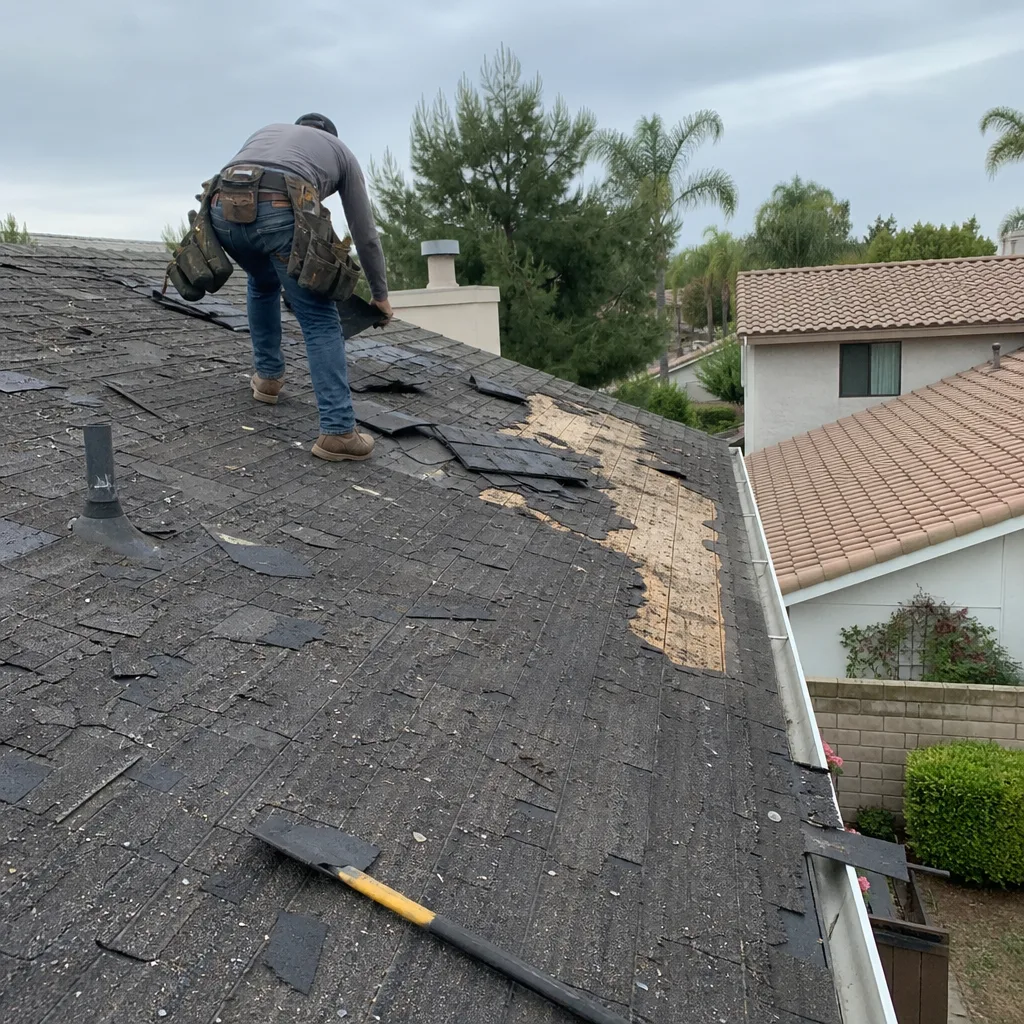 Before
 After
After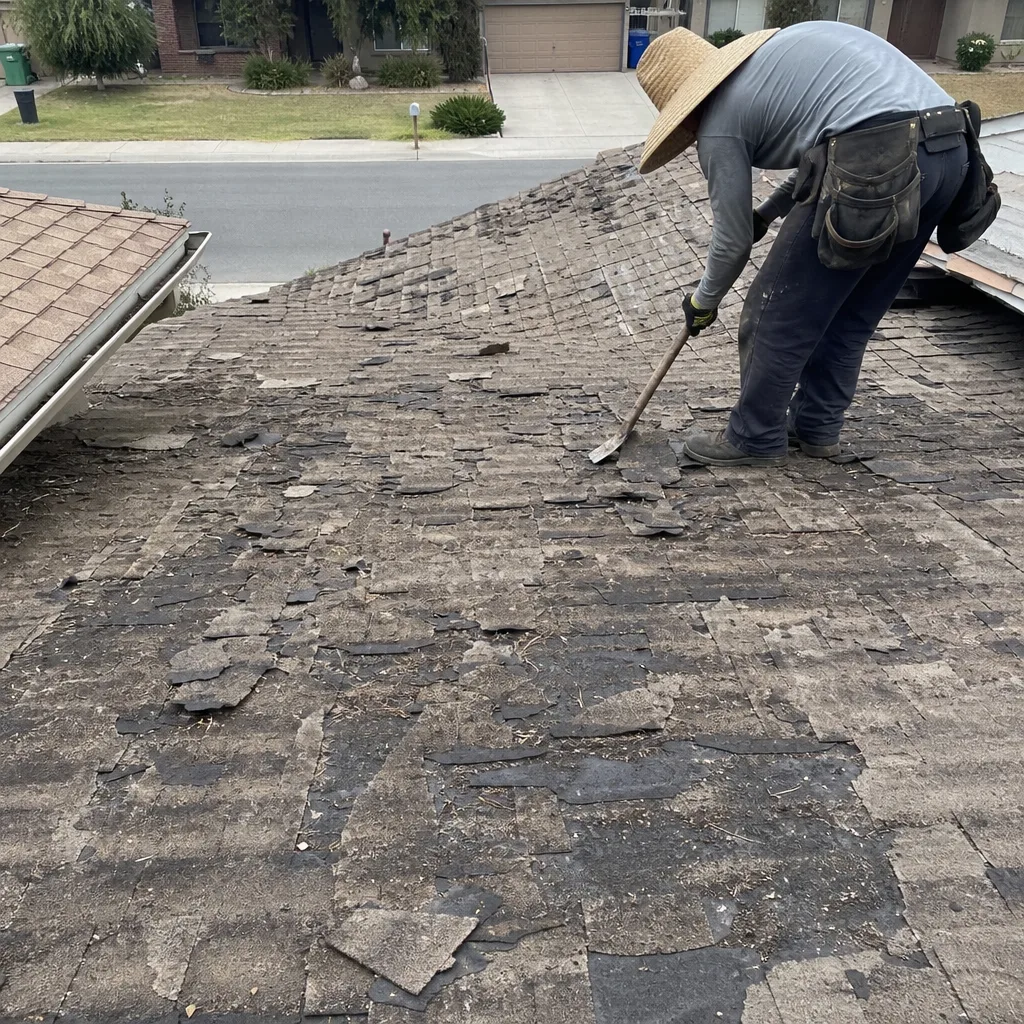 Before
 After
After