
 Metal roofing
 Architectural shingles
 Tile roofing
 GAF
GAF Owens Corning
 Flat & low-slope
Free roof inspection with deck photos before we talk money - GAF and Owens Corning certified installation
CertainTeed Flashing Replacement: The Riverside Owner’s Guide
CertainTeed flashing replacement in Riverside typically runs $350 to $900 installed, depending on the flashing location, the roof pitch, and whether the surrounding shingles need to be lifted or replaced. Most flashing failures we see are caught during a leak investigation or a re-roof, and we stock common CertainTeed-compatible flashing profiles on the truck for same-day replacement on most single-family homes. You usually discover this problem the way most homeowners do: a water stain on the ceiling after a hard rain, a drip near the chimney, or granules collecting in a gutter below a valley line.
Flashing is the metal or membrane material that bridges the joints where your roof meets something else: a wall, a chimney, a skylight, a pipe, a valley where two roof planes meet. CertainTeed manufactures flashing components designed to work within their roofing systems, but the flashing does not come from the same batch as your shingles. It is a separate component, and when it fails, it fails at the seams. The good news for Riverside homeowners: this is a contained repair, not a roofing emergency, and it is one we price in writing before any work starts.
Which CertainTeed Models This Applies To
CertainTeed flashing components are part of the CertainTeed roofing accessory line and are specified to pair with all major CertainTeed shingle series: XT 25, Landmark, Landmark Pro, Presidential Shake, and the Highland Slate line. The flashing itself is not shingle-specific in the way a starter strip or a ridge cap is. What matters is the profile and the material gauge, and both need to be matched correctly so the new flashing interlocks with the existing roof without creating a new leak point.
Here is the compatibility gotcha we see often in Riverside: homeowners replace a single piece of flashing with whatever the home center sells, and the new piece does not match the step-flashing pitch or the counterflashing depth of the CertainTeed original. The result is a cosmetically different roof line and a seam that pulls apart in the first Santa Ana wind season. CertainTeed flashing comes in specific widths, commonly 4-inch, 5-inch, and 6-inch step profiles, and in gauges from 26-gauge to 30-gauge steel, with aluminum options in coastal-adjacent Riverside microclimates where corrosion from morning marine layer is a factor. We carry OEM CertainTeed flashing profiles and a quality aftermarket line that matches the same dimensions and gauge. For most homeowners, the aftermarket equivalent performs identically and costs 20 to 30 percent less. The one place we recommend staying strictly OEM is on CertainTeed-branded integrated flashing kits for skylights and certain low-slope transitions, where the manufacturer’s profile is proprietary and a generic part will not seat correctly.
Styles & brands we work with
Signs Your CertainTeed Flashing Replacement Is Failing
- Water staining on ceilings or walls after rain. This is the most common first signal, and it almost always traces back to a flashing seam that has opened or a piece of step flashing that has pulled away from the wall intersection.
- Lifting or curling metal at the chimney or wall line. Riverside’s summer heat cycles expand and contract flashing metal, and over 10 to 15 years the fasteners loosen and the metal begins to stand up instead of lying flat under the shingle course.
- Granules accumulating in gutters below a valley. Valley flashing failure often shows up as shingle granule loss first, because water running under the flashing erodes the underside of the shingle before a visible leak appears inside.
- Rust or corrosion on exposed flashing faces. CertainTeed steel flashing is galvanized, but once the coating is scratched or worn through, rust takes hold, and rusted flashing perforates within two or three wet seasons.
- Dampness or musty odor in attic spaces near roof penetrations. Pipe boot flashing and vent flashing fail quietly, because the water travels down the pipe or vent before it shows up on a ceiling. By the time you smell it, the leak has been active for a while.
None of these symptoms get better on their own. Flashing is a mechanical joint, and once it starts to move or separate, water finds the gap and works it wider with every rain and every drying cycle in the Riverside sun.
See the difference
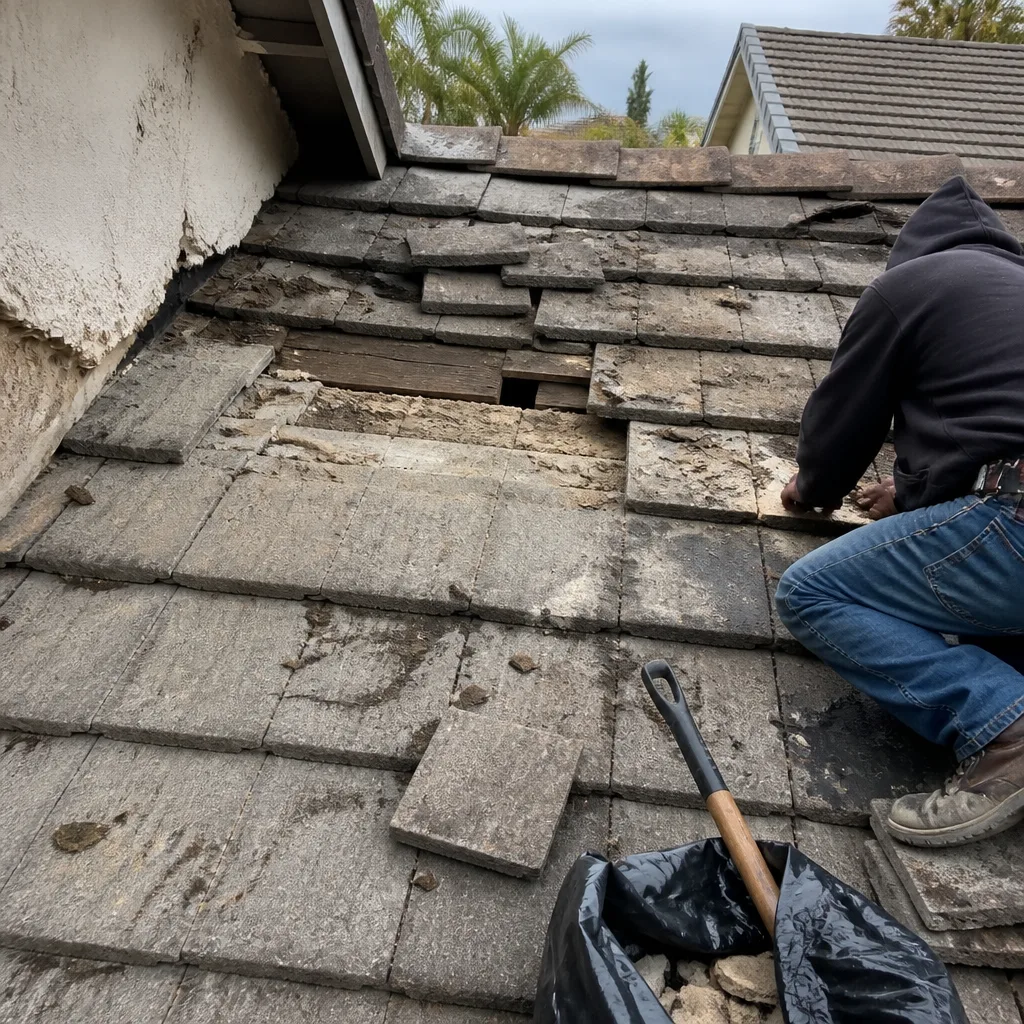 Before
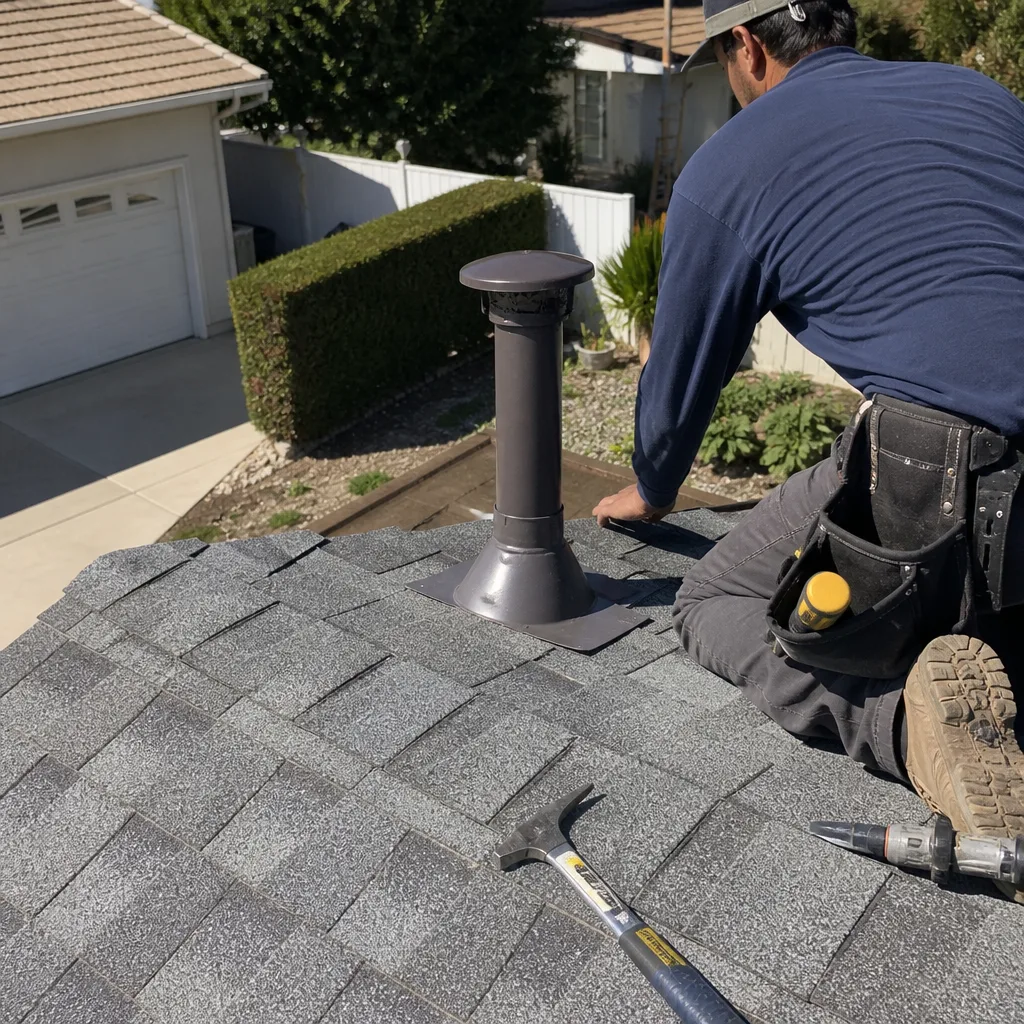 After
After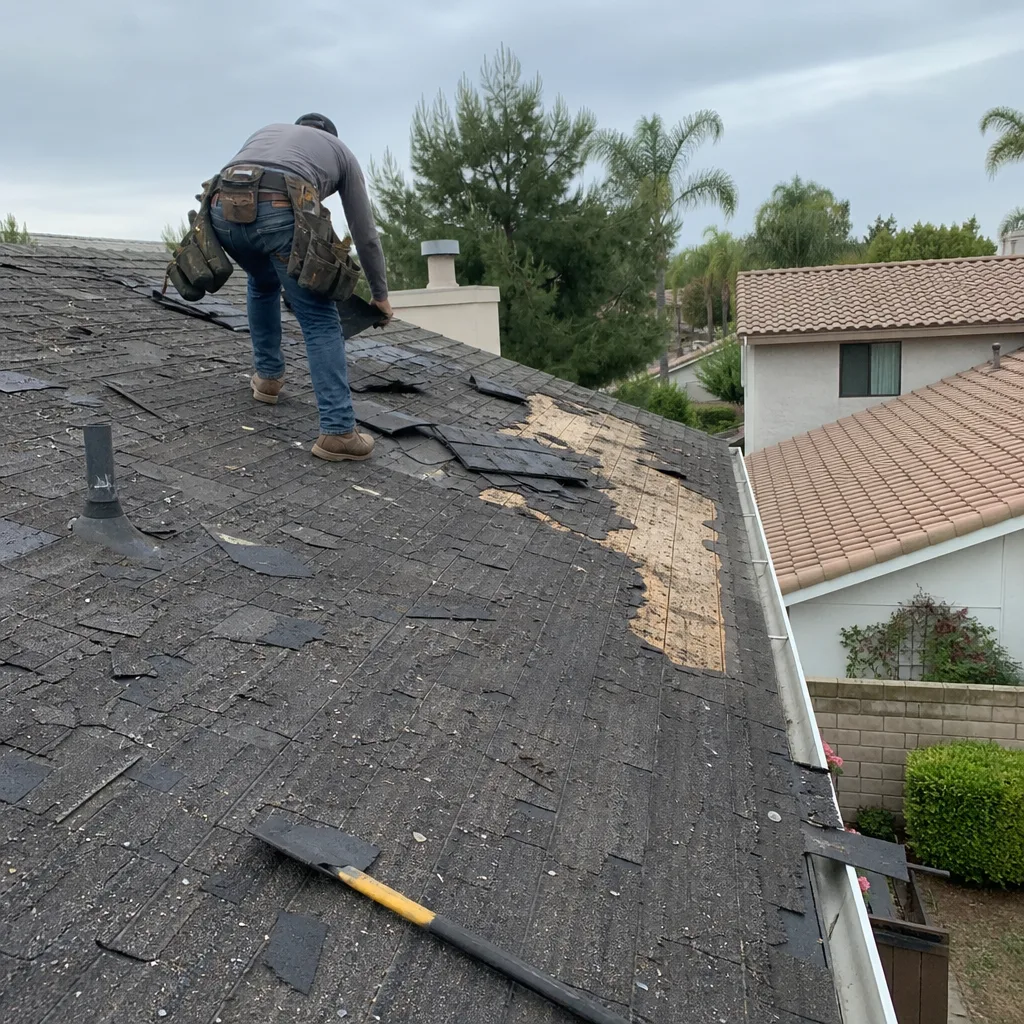 Before
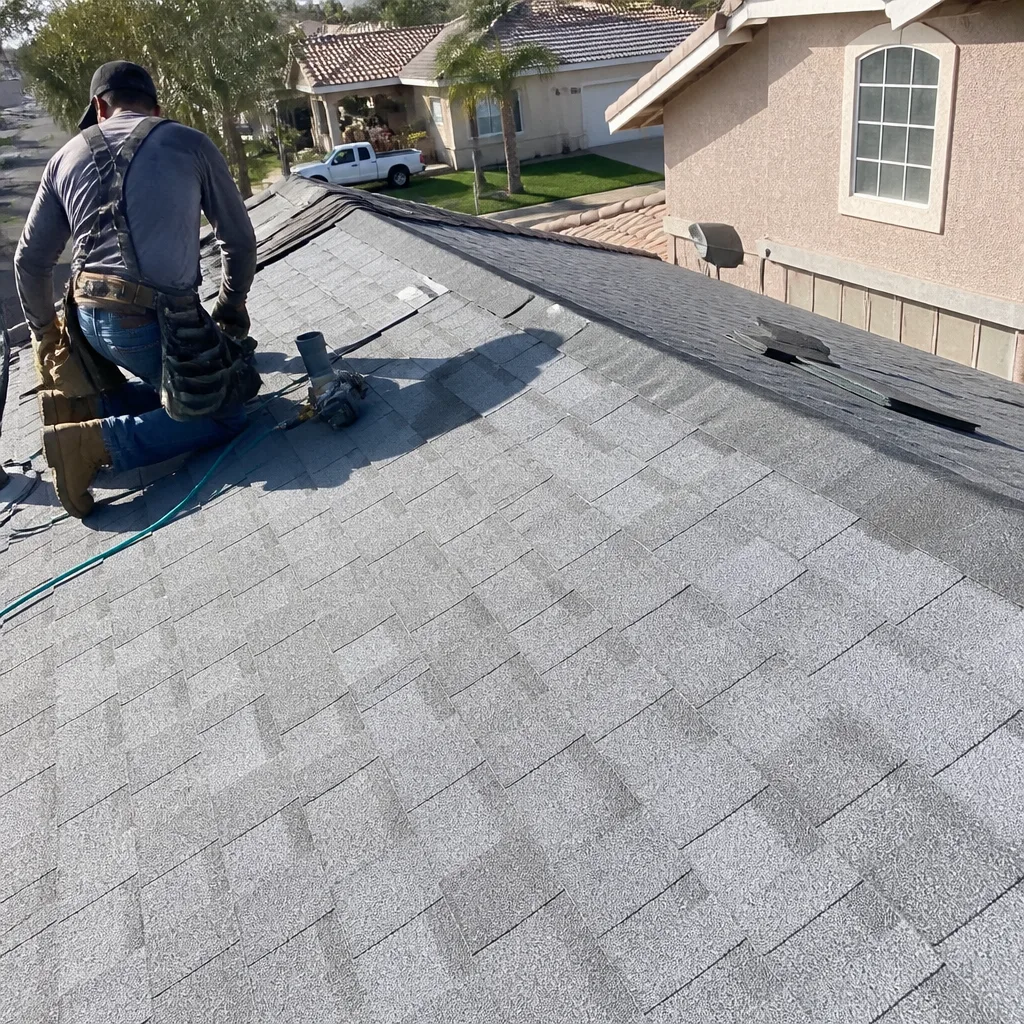 After
After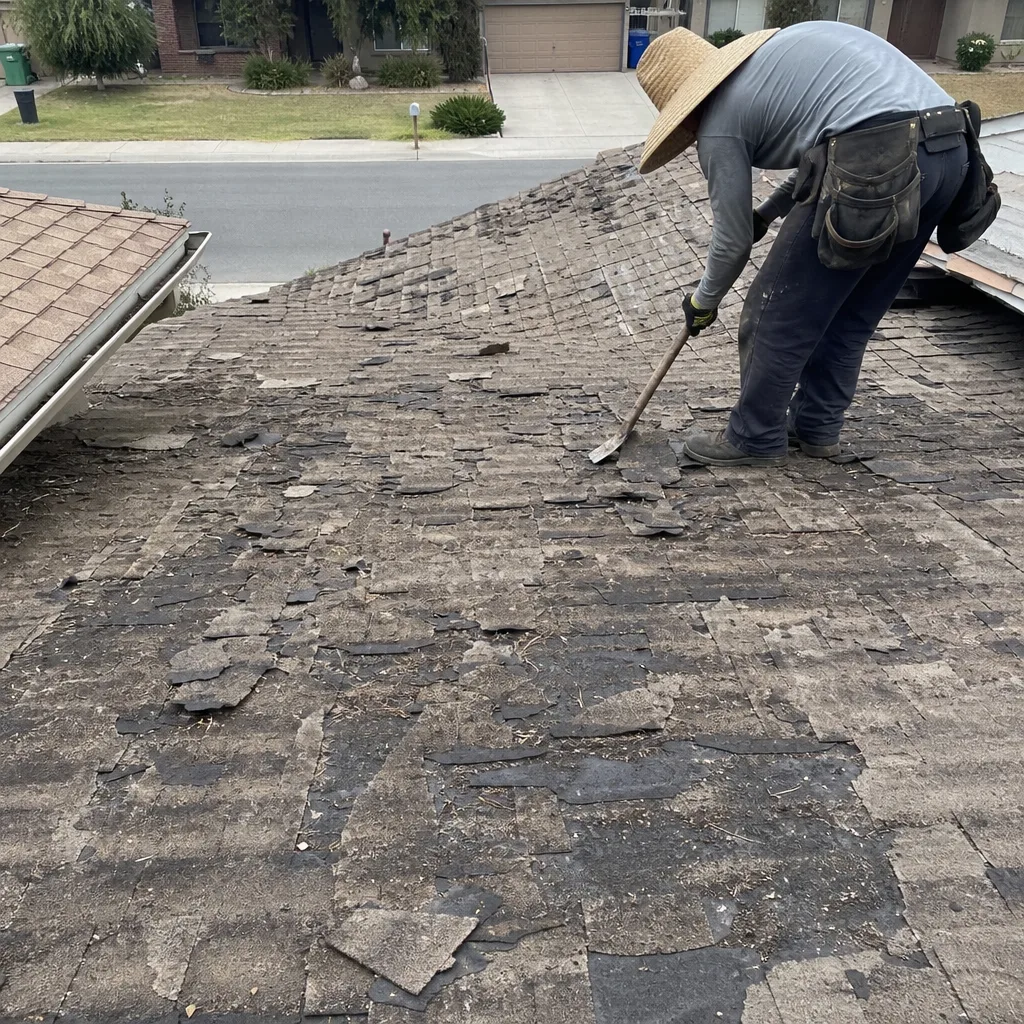 Before
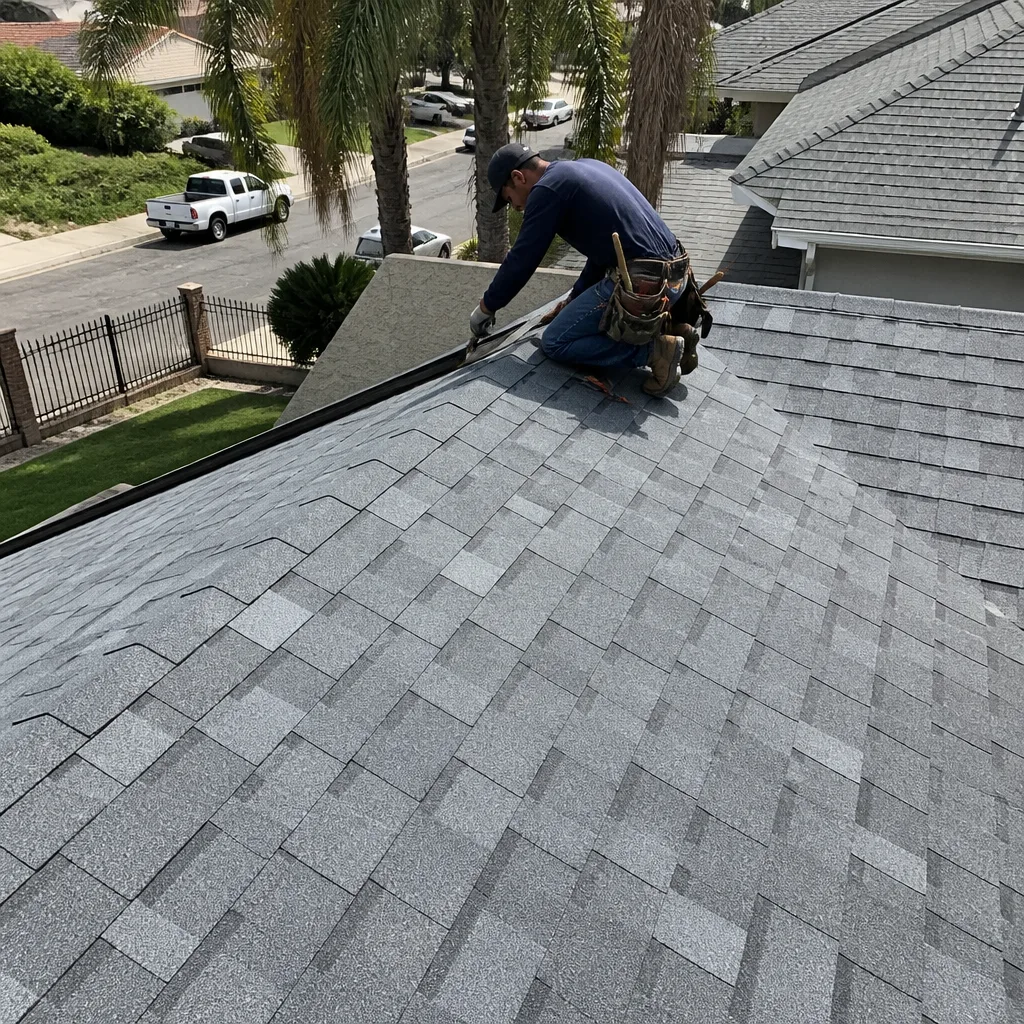 After
AfterReplacement Cost & What’s Included
Here is what CertainTeed flashing replacement costs in the Riverside market right now, including labor and materials:
- Step flashing replacement (single wall or dormer line): $350 to $600
- Chimney flashing replacement (counterflashing and step flashing): $550 to $900
- Valley flashing replacement (per valley, including shingle lifting and re-bedding): $500 to $850
- Pipe boot flashing replacement (single penetration): $250 to $400
- Skylight flashing kit replacement (CertainTeed OEM): $600 to $1,000
These ranges are installed, not parts-only. What drives the cost between the low and high end is roof pitch (steep roofs require staging and slow the work down), access (a two-story chimney on a tile roof in the Wood Streets neighborhood costs more than a one-story asphalt roof in La Sierra), and whether the surrounding shingles are brittle and need to be replaced where they are lifted. Your written quote lists the flashing, the labor, and any shingle or underlayment repair separately, so you can see exactly where the dollars go. Every flashing replacement we do is covered by our 365-Day Done Right Promise: if the repair fails within one full year, we come back and fix it free. That is in writing, and it is the same on every job we do in Riverside.
DIY or Call Us?
We are going to be straight with you: flashing replacement is not a weekend DIY job on most Riverside homes. The metal itself is not dangerous to handle, but getting to it is. Repairing flashing safely means walking the roof with the right fall protection, lifting shingles without cracking them, and re-nailing in a pattern that keeps water moving the right way. We have been called out to fix more do-it-yourself flashing jobs than we can count, and the common thread is always the same: the homeowner got the part on, but the water still gets in. Travis Oakley learned this trade at Los Angeles Trade-Technical College and has spent two decades putting roofs on Inland Empire homes, and he will tell you that flashing is where most roof work is won or lost.
There is one thing you can safely check from the ground: whether any exposed flashing face is visibly pulling away from a chimney or wall line. If you can see daylight behind the metal, call us. If you are unsure whether a stain is from flashing or from something else, call (341) 208-3988 and we will tell you what we think over the phone before we ever set up a visit. A roof should outlast the paperwork, not the other way around.
FAQs
CertainTeed flashing, properly installed, lasts 15 to 25 years in Riverside’s climate. Galvanized steel flashing typically reaches the lower end of that range because the summer heat and winter rain cycles work the fasteners loose, while aluminum flashing often lasts longer where the coastal marine layer is less corrosive. The limiting factor is usually not the metal itself, it is the sealant at the seams, which dries and cracks within 8 to 12 years. Call (341) 208-3988 if you are seeing signs of aging around your flashing, and we will give you an honest read on its remaining life.
Small flashing repairs, like re-sealing a seam or re-nailing a lifted edge, are possible when the metal is still structurally sound. But if the flashing is rusted through, torn, or pulled more than a quarter-inch out of position, a patch will fail within a year or two and you will pay twice. We will always tell you which one you are looking at before we quote you anything, and the written price reflects the repair we recommend, not the upsell.
Most single-flashing replacements in Riverside take between 2 and 4 hours on site. Chimney flashing on a steep roof may take half a day, and a full valley replacement on a large home can run 6 to 8 hours. We schedule the work at your convenience and the crew arrives in uniform, background-checked, and with the materials loaded.
Yes, our trucks carry common CertainTeed-compatible flashing profiles in steel and aluminum, in the widths and gauges that match Riverside’s typical roof stock. We also stock compatible GAF and Owens Corning flashing components for homes with mixed-brand roofs. If your job needs a proprietary CertainTeed kit part, we order it and usually have it in hand within two to three business days.
If your CertainTeed flashing is showing its age or you have water where water should not be, call Brennan Roofing Co Riverside at (341) 208-3988. The price goes on paper before any work starts, the crew shows up when we say they will, and the work is guaranteed in writing for a full year. That is the Garrison Standard, and it is the only way we work.
Written by Travis Oakley, Owner, Brennan Roofing Co Riverside at Brennan Roofing Co Riverside, serving Riverside and nearby areas.